Site search

Thursday, October 16, 2025

CONCEPT FOR DEVELOPMENT OF THE HERCULES PROPERTY, KENVIL, NJ


by Brian T. Lynch, MSW


How do you transform toxic industrial wasteland, unfit for human habitation, into a life-affirming wilderness and ecosystem that is also financially beneficial for landowners and their community? That is the challenge the Hercules-Kenvil property in Roxbury presents. It is the same challenge faced by thousands of similar toxic sites and brownfields across the country and around the world. Solving it at the former Hercules Power Company site could have broad applications.

What follows is a draft concept proposal recently presented to the Roxbury Environmental Commission. It is an initial attempt to envision the best, highest-use solution for developing the property. It is an idea that could benefit all stakeholders and the environment alike. It incorporates new and emerging technologies along with some creative, futuristic thinking.

Picture Hercules as a fully restored forest preserve spanning a thousand acres of rainwater recharge area. It already contains a natural spring. The Great Spring on the Hercules property supplies clear, cool water to the Black River at a rate of a billion gallons a year, even during a drought watch. It is worth preserving.

Above the trees and vegetation, there would be a 400-acre array of solar panels carefully arranged to share sunlight with the planted area below. The solar field would generate much of the electricity needed to power N.J. Transit’s trains and buses statewide, eliminating tailpipe emissions and reducing the state's carbon footprint. Alternatively, the electricity could be sold to the regional power company by the Hercules solar utility or directly to township residents through a municipally owned utility cooperative. The land could be either purchased or leased from Ashland Chemical by a solar developer or by the state for N.J. Transit’s power needs. Over future decades, the most contaminated soil and water areas on the site could continue to be remediated by cultivating specific plant species that naturally capture or digest toxic chemicals. All elements of such a plan already exist. Here below is the full concept proposal.

Below is a copy of the Hercules Concept Proposal: 


CONCEPT FOR DEVELOPMENT OF THE HERCULES PROPERTY, KENVIL, NJ

Prepared by Brian Lynch - July 20, 2025


PROPOSAL SUMMARY


The Hercules property in Roxbury Township is a significant remediation and redevelopment site with a complex ecological history and ongoing cleanup efforts. A novel proposal suggests transforming the site into a 400-acre agrivoltaic solar farm integrating phytoremediation to restore environmental health while generating sustainable energy.

·   Hercules property significance: The site has been undergoing cleanup for 25 years and is poised for redevelopment that will impact Roxbury Township’s future quality of life. Its unique ecological features include abundant freshwater springs and wildlife returning as remediation progresses. 1 2

·   Environmental challenges: Despite progress, the site contains scattered toxins and multiple landfills with uncertain contents. Cleanup is costly and ongoing, limiting redevelopment to likely light industrial uses. 3 4

·   Proposal overview: The concept centers on a 400-acre agrivoltaic solar farm combining elevated solar panels with native vegetation and phytoremediation plants to simultaneously generate electricity, restore habitat, and remediate soil and groundwater toxins. 5 6

·   Phytoremediation explained: This bioremediation technique uses plants to absorb, degrade, or immobilize pollutants through processes like phytoextraction, phytodegradation, and rhizofiltration, offering a cost-effective and environmentally friendly cleanup method. 7 8

·   Agrivoltaic farming details: Agrivoltaics integrates solar panels elevated above crops, maximizing land use by producing food and electricity simultaneously, with benefits including water conservation, crop protection, and enhanced biodiversity. 9 10

·   Development considerations: While promising, agrivoltaic and phytoremediation integration requires expert collaboration, technical innovation, and careful planning due to costs, crop selection, and remediation timelines. 1112

·   Potential developer interest: Ashland Chemical, the current owner, might develop or lease the site for solar energy production; New Jersey Transit Authority is also a prospective partner given its sustainability goals and nearby rail infrastructure. 13 14

·   NJ Transit solar initiatives: NJ Transit is advancing solar projects, including bus garage panels, solar-powered shelters, microgrid development for rail systems, and electric bus programs, aiming for cost savings, sustainability, and operational resilience. 15 16

·   Supporting resources: The document includes a webliography listing companies specializing in agrivoltaics and phytoremediation, highlighting the growing industry and technological options for site redevelopment. 17 18


HERCULES DEVELOPMENT PLANS

The Hercules property is a remediation and redevelopment site of great importance to Roxbury Township and the surrounding region. Decommissioning and cleanup work have been ongoing by the property owner, Ashland Chemical, for approximately 25 years, and the property is now available for sale. The development of the land will significantly influence the character and quality of life for Roxbury residents for years to come. Township planners and officials are well-equipped to maximize the potential of any development proposals that the new owner may submit. Given the significance of this property to the township, Roxbury can also adopt a proactive approach that attracts buyers who can best realize the highest and best use of this unique land. To accomplish this, the township must first determine the highest and best uses. What would provide the most benefit to current and future residents? This document presents one possible answer to that question.


HERCULES PROPERTY SITE PROPOSAL CONCEPT

This proposal suggests one way to return the Hercules property to productive use while preserving and enhancing its environmental assets for the benefit of the Township and the region.  The property presents unique challenges due to its complex ecological history. It is one of the largest and most complex toxic cleanup sites in New Jersey. At the same time, it has one of the most abundant freshwater springs in the state. The ancient spring water is the source of the Black River, a tributary of the North Branch of the Raritan River. Despite 125 years of environmental damage to the soil and groundwater from explosives manufacturing, the spring water remains abundant, reasonably pure, and cool enough to support American brook lamprey and brook trout. Both species are bioindicators of clean water.


Last July, after two months with no rain, the water volume from the “Great Spring” was still nearly one billion gallons per year. It was enough to help maintain normal water levels at Sunset Lake. At the same time, Drake’s Pond, which drains into the southern wetland of Hercules, was 17 inches below its usual level. During the 25 years it has taken to demolish and bury on site over 300 contaminated buildings that were part of the Hercules manufacturing complex, the land has begun to rewild, and woodland creatures have reestablished their presence on much of the property. This serves, in effect, as an environmental offset to the continuing loss of undeveloped land in Roxbury due to commercial and residential development, which includes state pressure to build more affordable housing in the next ten years.


At the same time, a broad spectrum of toxins remains scattered throughout the property. Numerous large and small landfills on the site, some dating back before World War 1, have poorly documented contents. Bioremediation activity in the significantly polluted TNT area began only three years ago and is not scheduled to be completed for another three years.  The overall assessment for the future redevelopment of the site indicates that it will likely be restricted to light industrial use.


Because the property is privately owned, its owner, Ashland Chemical Corporation, has been financially and legally responsible for cleanup operations over the past quarter century at a significant expense to the company. The land was purchased as an investment, so recovery of remediation expenses is an essential consideration for the future sale of the property. The production value of the land must be able to cover this additional cost, as well as the ongoing monitoring and remediation expenses the property requires. Public purchase of this land for preservation purposes may be prohibitively expensive. Future owners will likely be responsible for ongoing environmental monitoring and remediation activities for the foreseeable future.


Given these circumstances and constraints, what is the highest, best use of these 1,000 acres that can also benefit the residents of Roxbury Township?  These novel conditions require a novel solution. Is it possible for the land to be productive, preserved, and remediated simultaneously?

Thanks to new environmental innovations, this is now possible. The heart of the proposal is to build a 400-acre “agrivoltaics” solar farm on the site where the crops would be a combination of native vegetation and natural regrowth in areas where the soil can support it, plus “Phytoremediation” or specially selected plant growth areas where toxins in the soil and groundwater require further remediation.


Four hundred acres of elevated solar panels arranged to share sunlight with ground vegetation would generate approximately 160 gigawatts of electricity annually. That is enough electricity to serve 15,000 homes, making the Hercules site financially viable. The elevated solar array would enable native vegetation to regrow on the property, restoring the natural habitat and wildlife while maintaining the rain recharge areas and water quality of the Great Spring. Over time, phytoremediation of polluted soil and groundwater areas would restore these areas to safe, perhaps even pre-industrial levels.


To better understand this proposal, an explanation of the two environmental innovative technologies is required.


What is phytoremediation?

Phytoremediation is a bioremediation technology that utilizes plants to address environmental contamination. It leverages the natural abilities of plants to absorb, degrade, or immobilize pollutants from the environment. 

How does it work? 

Plants absorb pollutants from the soil into their roots and then transport them to their stems and leaves. 

Plants and associated microbes break down organic pollutants into less toxic forms, often using enzymes. 

Plants absorb pollutants from water sources, primarily using their roots. 

Plants take up volatile pollutants and release them into the atmosphere, sometimes after modifying them. 

Plants reduce the mobility and bioavailability of pollutants, preventing them from spreading to other areas. 


Why is it beneficial? 

  • Cost-effective: Generally, less expensive than traditional remediation methods like excavation and incineration. 

  • Environmentally friendly: Utilizes natural processes and often preserves the existing ecosystem. 

  • Aesthetically pleasing: Can be incorporated into landscaping and create green spaces. 

  • Soil health: Improves soil health by increasing organic matter and nutrient content. 


Examples of successful phytoremediation: 

  • Sunflower: Effectively removes heavy metals like lead from contaminated soil. 

  • Mustard plants, alpine pennycress, hemp, and pigweed: Can hyperaccumulate contaminants at toxic waste sites. 

  • Certain plants can break down ammunition wastes, chlorinated solvents, or herbicides, according to the University of Washington. 


Limitations: 

  • Takes time: Phytoremediation can be slower than other methods. 

  • Limited to certain pollutants: Not all pollutants can be effectively remediated by plants. 

  • Requires suitable climate and soil conditions: Optimal plant growth is essential. 

  • May require specialized plant species: Not all plants are suitable for phytoremediation


[See webliography for additional readings reading.]


What is Agrivoltaic Farming?

Agrivoltaic farming, also known as agrivoltaics or dual-use solar, is a system that combines agricultural production with solar energy generation on the same land. It involves an elevated solar panel arrayed in a way that shares the sun’s energy with the crops on the ground. This innovative approach allows for both food and electricity to be produced on the same area of land, maximizing land use and potentially offering numerous benefits. 

Here's a more detailed explanation: 

How it works: 

  • Dual Land Use:

Solar panels are installed above crops, enabling the simultaneous cultivation of plants and electricity generation. 

Different types of solar panels and crops can be utilized, with some research focusing on shade-tolerant crops such as lettuce, berries, and certain vegetables. 

  • Potential Benefits:

  • Increased Land Efficiency: Agrivoltaics maximizes land use by combining food production with energy generation. 

  • Water Conservation: The shade from solar panels can reduce evaporation and help retain soil moisture, potentially reducing water consumption for irrigation. 

  • Crop Protection: Solar panels can protect crops from harsh weather conditions, such as excessive sunlight, hail, and heavy rain. 

  • Energy Production: Solar panels generate electricity, which can be used to power the farm or be fed into the grid. 

  • Wildlife Habitat: Agrivoltaic systems have the potential to create new habitats for wildlife and enhance biodiversity in agricultural areas. 

  • Reduced Greenhouse Gas Emissions: By using renewable energy, agrivoltaics can help reduce reliance on fossil fuels and lower greenhouse gas emissions. 

  • Challenges:

  • Cost: The initial cost of implementing agrivoltaic systems can be higher than traditional farming or solar panel installations. 

  • Crop Selection: Not all crops are suitable for agrivoltaic systems, and careful selection is needed to ensure optimal yields. 

  • Technical Expertise: Farmers may need to acquire new skills or hire specialized labor to manage and maintain the solar panels. 

  • Potential Yield Reduction: While some crops thrive under shade, others may experience reduced yields, requiring careful planning and crop selection. 

In essence, agrivoltaics is an innovative approach to land management that seeks to integrate food production and renewable energy generation, potentially offering a more sustainable and efficient way to utilize land resources


[See webliography for additional readings reading.]


EXAMPLE OF A PROSPECTIVE DEVELOPER FOR A SOLAR FARM

The ideas presented above are more conceptual, outlining what the “highest, best use” might be for the Hercules property. Combining agrivoltaics farming with phytoremediation involves the use of new technologies and innovative engineering plans. Its novelty invites skepticism and requires careful exploration and development before a proposal can be drafted.   This requires collaboration with experts from various disciplines and may involve the creation of a coalition with other relevant agencies. But who might take an interest in such a proposal?


Ashland Chemical, the current owner, owns more than a dozen other contaminated properties that need cleanup before they can be sold as brownfields. If the technical requirements for this approach are met and if the electricity production is profitable enough, Ashland might consider developing the property itself or leasing it to a solar energy developer willing to build and operate the facility. This could then serve as a model for Ashland’s other cleanup sites. There are also companies seeking opportunities to build solar facilities that could be recruited. However, there is another organization for whom a solar production site on the Hercules Property appears to be a perfect fit for their clean energy goals: the New Jersey Transit Authority.


NJ Transit is actively pursuing solar energy initiatives as part of its broader sustainability plan, focusing on both cost savings and environmental benefits. These efforts include installing solar panels at bus garages, introducing solar-powered bus shelters, and exploring the potential of a large-scale solar-powered microgrid. 


The idea of a solar-powered microgrid to supply electricity for NJTA trains and buses is the most promising. The NJ Transit rail lines give the state the right-of-way needed to create a semi-independent microgrid. Their rail line runs directly along the northern edge of the Hercules tract, and they also have additional land at the nearby Mount Arlington railway station. A 400-acre solar farm, combined with existing plans to add solar generation to existing NJTA properties, could be enough to make an NJ Transit microgrid self-sufficient for its energy needs. NJ Transit's solar initiatives are a key component of its broader sustainability plan, which aims to create a more environmentally friendly and resilient transportation system.


Here are some of the specific solar initiatives currently under development: 

NJ Transit is exploring power purchase agreements (PPAs) to install solar canopies at bus garages, like the one planned for the Egg Harbor bus garage near Atlantic City. These agreements typically involve a vendor covering the upfront costs of installation and maintenance, with NJ Transit purchasing the generated electricity at a potentially lower rate than its current utility. 

NJ Transit has unveiled its first solar-powered bus shelter, featuring LED lighting, USB charging ports, and a motion sensor to conserve energy. The agency is evaluating the performance of this pilot shelter to determine the feasibility of expanding this program. 

NJ Transit is exploring the potential of a large-scale solar and energy storage microgrid to power its rail system. This project could enhance the system's resilience during power outages and reduce reliance on fossil fuels. 

NJ Transit is also advancing a zero-emission bus fleet through an electric bus pilot program in Camden, with plans for similar projects at other garages. This initiative requires significant infrastructure upgrades, including the modernization of bus garages to support electric buses and the installation of charging stations. 


Benefits of Solar Initiatives (per NJTA):

Cost Savings:

By generating its own power, NJ Transit can potentially reduce its energy costs and long-term expenses. 

Environmental Sustainability:

Solar energy is a clean, renewable energy source that helps NJ Transit reduce its carbon footprint and contribute to a more sustainable transportation system. 

Increased Resilience:

Microgrids can provide backup power during outages, enhancing the reliability of NJ Transit's operations.


WEBLIOGROPHY


Further reading on Phytoremediation:


INTRODUCTION TO PHYTOREMEDIATION

https://cfpub.epa.gov/si/si_public_record_report.cfm?Lab=NRMRL&dirEntryId=63433


EPA Phytoremediation Resource Guide

https://www.epa.gov/sites/default/files/2015-04/documents/phytoresgude.pdf


Phytoremediation A Citizen’s Guide

https://19january2017snapshot.epa.gov/sites/production/files/2015-04/documents/a_citizens_guide_to_phytoremediation.pdf


Phytoremediation | Superfund Research Center


Phytoremediation of Contaminated Soil and Ground Water at Hazardous Waste Sites | US EPA

https://www.epa.gov/remedytech/phytoremediation-contaminated-soil-and-ground-water-hazardous-waste-sites

9 of 8,146


International Journal of Phytoremediation: Vol 27, No 9 (Current issue)

https://www.tandfonline.com/toc/bijp20/current


Further Readings on Agrivoltaic Farming:

Agrivoltaics: Solar and Agriculture Co-Location | Department of Energy


https://www.energy.gov/eere/solar/agrivoltaics-solar-and-agriculture-co-location

The Potential of Agrivoltaics for the U.S. Solar Industry, Farmers, and Communities | Department of Energy

https://www.energy.gov/eere/solar/articles/potential-agrivoltaics-us-solar-industry-farmers-and-communities


What’s agrivoltaic farming? Growing crops under solar panels | World Economic Forum

https://www.weforum.org/stories/2022/07/agrivoltaic-farming-solar-energy/


ADDENDUM


Companies building agrivoltaic solar farms


Several companies are involved in the burgeoning field of agrivoltaics, which involves co-locating solar energy generation with agricultural production. These companies offer various solutions, from designing and installing specialized systems to managing the integration of solar and farming practices. Here are some of the key players: 


Companies specializing in agrivoltaic solutions

  • Agrivoltaic Solution LLC: Specializes in developing agrivoltaic projects, including those with crops and livestock.

  • Enel Green Power: A global leader in renewable energy with a strong focus on sustainable dual-use solar practices, including integrating solar panels with vineyards and orchards in California.

  • Lightsource BP: A major developer experimenting with sheep grazing under solar panels and crop-based agrivoltaics, particularly in Texas and Colorado.

  • Savion: A Shell subsidiary leading large-scale agrivoltaic projects, including the integration of row crops and solar panels in Ohio.

  • Silicon Ranch: Focuses on regenerative energy and agrivoltaics, aiming to restore ecosystems and improve land stewardship through practices like regenerative grazing on their solar farms.

  • Sun'Agri: A French company specializing in agrivoltaic solutions, using dynamic solar tracking and adjusting panel positions to optimize both agricultural conditions and solar power generation.

  • Next2Sun: A leader in vertical bifacial agrivoltaic systems and bifacial solar fences, emphasizing cost-effective and environmentally friendly power generation.

  • BayWa: A German company providing carbon-free energy solutions, including expertise in agrivoltaic installation and management, encompassing pilot projects combining solar with fruit production and sheep grazing.

  • Akuo Energy: A French independent green energy operator involved in designing and constructing innovative renewable energy production models, including agrivoltaics.

  • TSE Energy: A French company that develops qualitative solar solutions benefiting farmers and rural communities as part of the energy and agricultural transitions.

  • JA Solar: A Chinese corporation and one of the largest producers of solar products worldwide, expanding into the agrivoltaics market with large-scale projects in Asia.

  • Insolight: Deploys agrivoltaic systems in France and Switzerland, focusing on areas with intensive agricultural activity.

  • REM TEC: Offers patented agrivoltaic solutions along with the design and installation of rooftop PV plants and demonstration projects to reduce energy consumption.

  • TotalEnergies: A French global energy firm exploring agrivoltaic technologies as a way to increase renewable energy production while also supporting agriculture. 

Considerations for agrivoltaic development

  • Balancing solar and agriculture: Agrivoltaics aims to optimize land use for both energy production and agriculture, which often involves customizing panel setups and considering factors like crop type, climate, and farming practices.

  • Cost and feasibility: Implementing agrivoltaic solutions can be more complex and potentially more expensive than traditional solar installations, particularly if specialized panel heights or designs are needed to accommodate farming equipment.

  • Regulatory and government support: Government initiatives, subsidies, and research programs play a crucial role in promoting the adoption of agrivoltaics.

  • Environmental and social benefits: Agrivoltaics can offer advantages like water conservation, improved soil health, and diversified income for farmers, while contributing to renewable energy goals. 

Note: This list is not exhaustive, and the agrivoltaics market is constantly evolving with new companies and technologies emerging. Organizations like the American Solar Grazing Association (ASGA), the National Renewable Energy Laboratory (NREL), and various universities are actively involved in research, education, and promoting best practices in this field. 


PHYTOREMEDIATION COMPANIES


Several companies specialize in phytoremediation, the use of plants to clean up contaminated soil and water. Ecolotree, Intrinsyx Environmental, and Nutter & Associates are examples of such companies. These companies offer various services, including the design and implementation of plant-based solutions for sites contaminated with pollutants like heavy metals, petroleum, and other chemicals. 


PHYTOREMEDIATION COMPANIES - Here's a more detailed look at some phytoremediation companies:


·   Ecolotree:

This company focuses on using engineered forests to remove and contain pollutants from landfills, lagoons, wastewater, and toxic spills. They offer solutions like ECaps® and EBuffers®, which are engineered forests designed to address these issues. 

·   Intrinsyx Environmental:

Intrinsyx uses sustainable, nature-based solutions, including cutting-edge biotechnology and collaborative partnerships, to regenerate contaminated sites. They focus on creating beneficial spaces that restore communities and the environment. 

·   Nutter & Associates:

Nutter & Associates is implementing a new phytoremediation investigation to demonstrate the viability of phytoextraction for PFAS-contaminated sites. They are using statistical analysis and a randomized block design with PFOS-accumulating plant species grown in impacted soils. 


·   Offshoots, Inc.:

Offshoots specializes in translating phytotechnology science to landscape designers. They utilize phytotechnologies in constructed landscapes for land planning, site cleanup, and green infrastructure. 

·   Applied Natural Sciences:

This company offers phytoremediation services and is located in Hamilton, OH. 

·   Phytokinetics, Inc.:

Phytokinetics focuses on the phytoremediation of chemical contaminants in soils and groundwater. They are located in North Logan, UT. 

·   Phytotech:

This company uses specially selected and engineered plants to treat soil and water contaminated with toxic metals and radionuclides. They refer to the treatment of soils or sediments with this technology as phytoextraction. 

·   Roux Inc.:

Roux has over 15 years of experience in phytoremediation and offers turnkey services, including water budget and concept development, engineering design, installation, and operation and maintenance, according to their website. 


This list includes companies that specialize in phytoremediation, as well as some larger environmental remediation firms that offer phytoremediation as part of their services. Some of these companies have a national or international presence, while others operate on a more regional scale. 


ADENDUM II – DOCUMENT SUMMARY


The Hercules property in Roxbury Township is a significant remediation and redevelopment site with a complex ecological history and ongoing cleanup efforts. A novel proposal suggests transforming the site into a 400-acre agrivoltaic solar farm integrating phytoremediation to restore environmental health while generating sustainable energy.

·   Hercules property significance: The site has been undergoing cleanup for 25 years and is poised for redevelopment that will impact Roxbury Township’s future quality of life. Its unique ecological features include abundant freshwater springs and wildlife returning as remediation progresses. 1 2

·   Environmental challenges: Despite progress, the site contains scattered toxins and multiple landfills with uncertain contents. Cleanup is costly and ongoing, limiting redevelopment to likely light industrial uses. 3 4

·   Proposal overview: The concept centers on a 400-acre agrivoltaic solar farm combining elevated solar panels with native vegetation and phytoremediation plants to simultaneously generate electricity, restore habitat, and remediate soil and groundwater toxins. 5 6

·   Phytoremediation explained: This bioremediation technique uses plants to absorb, degrade, or immobilize pollutants through processes like phytoextraction, phytodegradation, and rhizofiltration, offering a cost-effective and environmentally friendly cleanup method. 7 8

·   Agrivoltaic farming details: Agrivoltaics integrates solar panels elevated above crops, maximizing land use by producing food and electricity simultaneously, with benefits including water conservation, crop protection, and enhanced biodiversity. 9 10

·   Development considerations: While promising, agrivoltaic and phytoremediation integration requires expert collaboration, technical innovation, and careful planning due to costs, crop selection, and remediation timelines. 1112

·   Potential developer interest: Ashland Chemical, the current owner, might develop or lease the site for solar energy production; New Jersey Transit Authority is also a prospective partner given its sustainability goals and nearby rail infrastructure. 13 14

·   NJ Transit solar initiatives: NJ Transit is advancing solar projects including bus garage panels, solar-powered shelters, microgrid development for rail systems, and electric bus programs, aiming for cost savings, sustainability, and operational resilience. 15 16

·   Supporting resources: The document includes a webliography listing companies specializing in agrivoltaics and phytoremediation, highlighting the growing industry and technological options for site redevelopment. 17 18

Wednesday, August 20, 2025

Shining a Light on Autoimmune Diseases: “The Sunshine Cure”


by Brian T Lynch, MSW

This is my summary of an essential article in Scientific American from June 2025. The article is called "The Sunshine Cure"; the discovery that sunlight boosts your immune system is leading to new disease-fighting therapies, by Rowan Jacobsen, et al.


Kathy Young of Virginia Beach was diagnosed with multiple sclerosis (MS) in 2008. MS is a disease in which her immune system attacks the protective sheath that insulates the nerve fibers in her central nervous system. Her symptoms included weakness, spasms, speech and vision problems, extreme fatigue, and what she called cog fog or low-grade cognitive impairment. Like most MS sufferers, her symptoms would sometimes flare up and then improve somewhat, but overall, her symptoms gradually worsened. For years, Miss Young was forced to rest in bed several times a day.

Today, she is among a small group of MS patients who bathe themselves briefly each day in an ultraviolet (UV) light box designed initially to treat psoriasis. Within a few months, her fatigue disappeared. Blood tests confirmed that her inflammatory levels dropped to low levels and remained there for over a year. She still has symptoms of MS, which is incurable and progressive, but she is better able to function, and her vitality has returned.

A few clinical trials on MS light therapy have been conducted, and early evidence indicates that UV light can calm an over-aggressive immune system. This may prove beneficial in treating symptoms in other autoimmune diseases, such as type 1 diabetes, rheumatoid arthritis, Crohn's disease, and colitis.

Research conducted in 1974 found that UV light exposure on the skin of mice caused tumors to grow. UV light can damage a cell’s DNA, leading to cancerous cell growth. But when the cancerous tumors of UV-exposed mice were transplanted onto mice that were not exposed to UV light, the immune systems of the unexposed mice were able to kill the cancerous tumors. This led to the discovery that UV light causes tumors to grow and, at the same time, suppresses the immune system, allowing the tumors to continue growing.

The immunosuppression effect of UV light explained a long-known fact that sunlight seemed to improve psoriasis, another autoimmune condition. Furthermore, UV light treatment on one patch of psoriasis on a patient improved the condition of other untreated patches as well. This meant that the photochemical interactions in our skin produce beneficial substances that are distributed throughout the body. Photoimmunology became a new medical discipline. In laboratory experiments, photoimmunologists observed that the entire immune system of mice exposed to UV radiation switched to anti-inflammatory states. The trick is to strike the right balance of UV light exposure to suppress an overactive immune system without causing too much DNA damage.

Confirmation of the immunosuppressive impacts of UV light came when studies searched for correlations between various autoimmune diseases and geographic latitudes where patients lived. The closer to the equator a person lives, the more sun exposure they receive. The correlation was clear with most autoimmune diseases. The strongest link was with multiple sclerosis. The higher the latitude, the higher the incidence rate of MS, and MS patients reported more seasonal relapses. Another study compared sun damage on the back of a sample group's hand (a lifetime indicator of sun exposure) with MS cases and found that people with the most sun damage have one-third the rate of MS. Also, children who spend less than 30 minutes outside each day have twice the lifetime risk of developing MS compared to children who spend an hour or more outside daily.

In another small clinical trial, twenty patients with an early-stage version of MS were recruited. Half received UV light box treatment, and the other half did not. Within a week, blood tests on the treatment group showed a drop in inflammatory proteins that stayed lower even after the UV treatments ended. Three months later, the treatment group’s disease-severity scores fell 13 points while the untreated group’s scores rose by 14 points. A year after treatment, all who didn’t get the UV therapy developed full-blown MS, but 30% of the UV treatment group did not yet fully develop MS symptoms. It appears that UV light therapy not only calms the immune response in MS patients but also seems to reset the immune system balance.

UV therapy has positive implications for other autoimmune diseases as well as conditions related to chronic inflammation, such as Alzheimer's disease, arthritis, asthma, and some heart diseases. Exactly which photochemical compounds or combinations of compounds produce the beneficial effects remains unknown. It isn’t vitamin D3, however, as was initially believed (not that vitamin D isn’t beneficial). The difficulty arises from the many molecular byproducts that UV exposure produces in our skin. There is much more to learn, and scientific studies are just getting underway in earnest. The big takeaway for now is the need to maintain a healthy balance of sunlight, whatever that may be. It is probably a different mix for each of us, but the extremes of sunlight and no sunlight should clearly be avoided.

Saturday, July 5, 2025

Exploring Freshwater Springs In New Jersey

by Brian T. Lynch, MSW

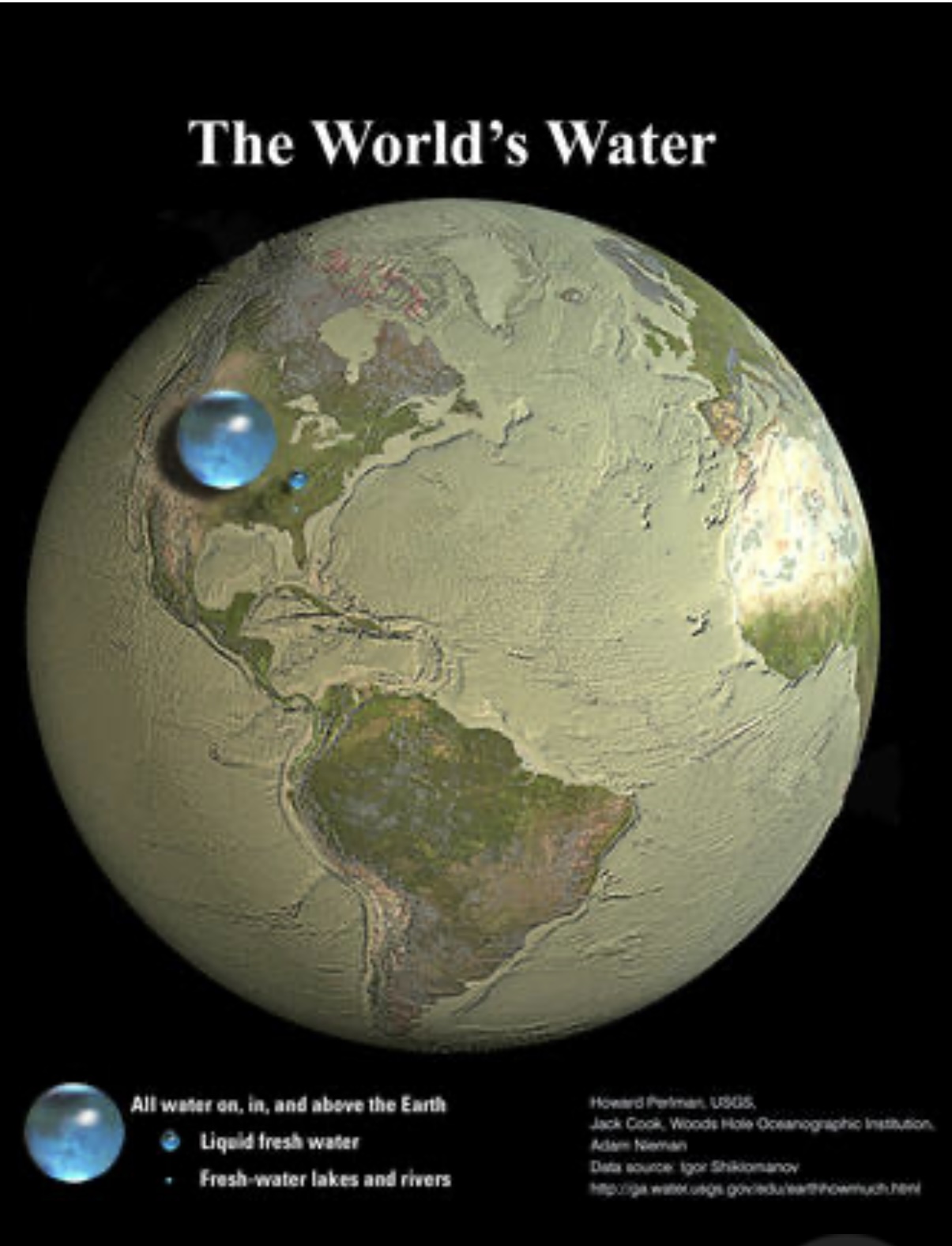
We live on a watery planet, or so it would seem. When you compare the volume of all water on Earth to the volume of the entire planet, water is a small fraction of the whole. And liquid fresh water (from rainfall) is a tiny fraction of that.


By some estimates, 99% of liquid freshwater is groundwater, while only 1% of freshwater is in lakes and rivers; however, groundwater accounts for less than 0.7% of all water on the planet. The point is we should never be complacent stewards of our water resources. There is less of it than we think.

Another critical point is that understanding the status and condition of groundwater is essential. Our aquifers are being overdrawn due to rising water demands, thus risking the irreversible collapse of the aquifers. Our wetlands and rain recharge zones are shrinking due to overdevelopment, and chemical pollutants are contaminating groundwater supplies. This is where the importance of freshwater springs begins, because every spring is effectively a sample site for the groundwater below it.

WHAT ARE SPRINGS?

Outflow from the "Great Spring" in Kenvil, New Jersey. headwaters of the Black River
Springs are places where groundwater reemerges above ground, sometimes flowing as surface water. The groundwater source may be an aquifer (an underground river or reservoir) or a localized water table near the surface. Springs can “vent” directly from the ground or rocky fissures, from beneath a water body, or directly into underground storm drains, a result of modern construction practices. Spring water sometimes travels great distances over many years to the place where it emerges, or travels short distances for springs that depend on periods of seasonal rainfall. Streams can flow all year round or intermittently, with water volumes that change in response to seasonal conditions. Terrestrial springs can appear as small independent vents or broad areas of seepage. Their volume can be immeasurably small or very large. Their water temperatures can range from hot to cold. They may discharge clear, pure water or water with high mineral contents.

In some cases, water from certain spring vents effervesces when subsurface pressures are released. In some dramatic cases, spring water shoots into the air in bursts of steam. We call these geysers. On the ocean floor, hot, volcanic water can flow out of sea vents, creating conditions that support abundant and often exotic lifeforms.

WHY ARE SPRINGS IMPORTANT?

The focus here is on terrestrial, freshwater springs, but even these have many variations that make them challenging to categorize and study. In addition to being samples of the groundwater conditions below, they are an essential source of surface water for the environment. It is estimated that groundwater contributes approximately 30% of the total surface water. This contribution helps maintain the baseflow of streams and rivers during dry periods, thereby modulating critical stream volumes and water temperatures for aquatic life. Many springs are also sensitive indicators of the impact of climate change and other environmental stress factors. It is estimated that spring habitats support about 10% of all endangered species, in addition to containing many rare and unique groundwater organisms that are vital to healthy river systems. [See “hyporheic” post]


WHAT IS LACKING IN OUR SPRING STEWARDSHIP?

It is broadly true, and specifically the case in New Jersey, that springs have received insufficient scientific study and attention. Nationally, there is no scientific consensus on spring classifications, nor is there a systematic methodology for comprehensive Spring assessments. There is also no systematic data collection, analysis, or monitoring of springs in this state. The Highlands Region of New Jersey, in particular, is characterized by higher elevations, abundant rainfall, many hills and valleys, and a dense network of brooks, streams, and rivers. Two-thirds of all residents in New Jersey depend on the Highlands for their drinking water, yet the great majority of springs endemic to this topographic region are unmapped. For example, in my three-square-mile town, I am aware of more unmapped springs than all the NJDEP-mapped springs in the county. The DEP’s stream mapping and study efforts have been commendable, but mostly ad hoc until now. This may be changing, and greater public awareness and interest would help.

WHAT IS NEEDED NOW?

The most critical and exciting need right now to promote spring stewardship in New Jersey is to identify all spring locations in the state. Very few springs are currently mapped. The NJDEP’s GeoWeb [https://dep.nj.gov/gis/nj-geoweb/] website is designed to pinpoint spring sites on a map throughout the state. However, the number of officially recognized springs remains small, and the current data provides limited information about each spring beyond its location, despite the fact that a good deal more information is collected at each site. A detailed scientific study of New Jersey springs encompassed fourteen springs. It was published in 2023 in an online publication, The Springs of New Jersey. A more comprehensive database for collecting and sharing spring information with the public is currently under development.

Meeting the need to identify springs in New Jersey requires what a national organization, the Spring Stewardship Institute in Arizona, calls Level 1 monitoring. It is a fieldwork process that specially trained volunteers can accomplish. Here is their description of this work:

“Inventory is a fundamental element of ecosystem stewardship, providing essential information on the distribution and status of resources and processes within ecosystems. Systematic inventory informs and therefore precedes assessment, planning, management action, and monitoring.

We have defined three levels of Survey Protocols:

Level 1:

Involves a general reconnaissance survey of springs within a landscape or land management unit, including brief (15 -20 minute) site visits to record georeferencing data and access directions, photograph the source and microhabitat array, and note the basic features of the springs ecosystem, such as spring type and context. This level of survey is useful for identifying the distribution of springs across a landscape, and determining the need for more rigorous inventories.

Level 2:

Involves a detailed survey of a spring's ecosystem to describe baseline physical, biological, and administrative context variables. These are detailed below.

We developed Springs Online with the capacity to contain and analyze individual or multiple surveys of springs across landscapes. For Level 2 surveys, we focus on six categories recognized by experts as being important to the ecological form, function, and sustainability of springs.

These categories include:

1. Groundwater geochemistry and flow

2. Geomorphology

3. Habitat and soils

4. Flora and fauna

5. Human influences

6. Administrative (legal and managerial) context.


Each Level 2 survey consists of two parts: a Springs Inventory Protocol (SIP) and a Springs Ecological Assessment Protocol (SEAP). The inventory component focuses on the physical characteristics and condition of the springs ecosystem. The SEAP component is a process of evaluating the inventory data to generate a condition and risk score in each of the categories. “

Monday, June 16, 2025

In The Beginning – Our Relationship to God and Creation


A sermon by Brian T. Lynch


(final revision 7/30/2025)


OUR FIRST READING is Job 12: 7-10


In this passage, Job is debating men who hold him in contempt because they believe Job’s misfortunes are the result of his sins. Job tells them he is “righteous and blameless,” while their wisdom is flawed. He quotes a passage that speaks of God’s superior wisdom reflected throughout creation. Listen to the first reading.
 
Job says, “… but ask the animals, and they will teach you, or the birds in the sky, and they will tell you; or speak to the earth, and it will teach you, or let the fish in the sea inform you. Which of all these does not know that the hand of the Lord has done this? In his hand is the life of every creature and the breath of all mankind.”


Something troubles me every Sunday. It happens during the call to confession. The discomfort is my awareness that a living species goes extinct every hour. These species aren’t just killed for food; They are erased from the Earth because of our abuse and indifference towards them.
 
Knowing this weighs on me, adding to my guilt for not speaking out. Few people realize how much human activity is stressing the planet. Amid the noise of manufactured controversy, we haven’t heard that small changes in CO2 played a major role in past extinctions, or that the cycle is starting again. Rising CO2 levels are a ticking time bomb… or not, depending on which voices we listen to.
 
But environmental damage isn’t just about global warming. It also results from industrial farming, which my wife (Roz) and I observed firsthand in South Africa. On a bus trip, we saw thousands of acres cleared of every living thing to grow orderly rows of eucalyptus trees destined to become cardboard boxes for our online purchases. Extinctions can occur when farmers overuse petrochemical fertilizers or pesticides that kill all insects to control a few pests.
 
Other extinctions occur when poor indigenous people, who lived in harmony with the land for a thousand years, must now cut down tropical rainforests for money to feed their children. “Forever chemicals”, such as PFAS, pose an extinction risk because these highly toxic substances spread throughout the world, don’t break down naturally, and accumulate in soil, water, and living things, including us. A growing loss of forests and habitats due to overdevelopment also contributes to higher extinction rates. There are other man-made risks as well, such as over-fishing the world’s oceans and the threat of nuclear war.
 
Our disregard of nature— or our “estrangement” from it,— threatens my grandchildren's future. I’m sure this is true because the collective actions of eight billion people have pushed this planet to the brink of an extinction epoch. In biblical times, our small population made the idea that we could destroy God’s creation unimaginable. Some of us may still hold that belief. But today, our technology and growing population size make the risk of harming this planet unavoidable. 
 
Long before humans first appeared and up to about a hundred years ago, our planet experienced a long period of stability. The natural extinction rate was about 5 or 10 species per year. Today, the extinction rate has skyrocketed. It is 1,000 to 10,000 times higher. If that higher estimate is correct, we lose a living species every hour, maybe during this hour of worship. This is not sustainable.
 
When I think about this, I ask myself, “Where is the church?”  
 
Where does Christianity stand on the issue of a dying world? Where do all the Judeo-Christian-Muslim religions stand on the need for global salvation?  Is it a sin against God to cause mass extinctions? If so, why are the pulpits so silent on this spiritual question? Most disturbing of all, how can we be sure of our own salvation if we are estranged from God’s creation?
 
Where do we find answers to these questions?  I believe we can find them in the beginning, starting with the book of Genesis.
 
So, our second reading is from Genesis 1: 1-5
 
“In the beginning God created the heavens and the earth.  Now the earth was formless and empty, darkness was over the surface of the deep, and the spirit of God was hovering over the waters. And God said, “let there be light,” and there was light. God saw that the light was good, and he separated the light from the darkness. God called the light “day”, and the darkness he called “night”. And there was evening, and there was morning, the first day.
 
Sharing the creation story with people thousands of years ago was a challenging task. They lacked the knowledge we have today. Earth was the only universe they knew. They believed the firmament, mentioned in Genesis, was a large dome surrounding the Earth from which the stars were hung. We know so much more today. We should use that knowledge to understand what Genesis is telling us. 
 
Based on what we know, the first few sentences of Genesis are about our planet and life on Earth. Yes, God created the heavens, but there is no description of this in the bible. The story begins with the formless, empty darkness of space that our solar system now occupies. With this understanding, verses 1-5 does a good job explaining it in terms that people in any century can understand. 
 
Genesis describes a sequence of creative events that parallel our modern understanding. For example, there was darkness, and then light, clearly a reference to the Sun as our star ignited with a brilliant flash. But there was no day or night until God separated one from the other. Doesn’t this suggest the creation of planets? Isn’t day and night a feature of planets as they spin? The separation of light and darkness on Earth creates evenings and mornings, and literally, there was a first day.
 
How long all of this took is endlessly debatable, but the question isn't relevant. The Genesis story isn’t about how God created everything; it’s an affirmation that it was God who made it all and a narrative about His relationship to, and our place within, creation. Christian churches today seldom emphasize God’s relationship with nature or the role we are meant to play. So, as I read more passages, listen for these relationships. 
 
If I asked you to name God’s first biblical command, some will say, "I am the LORD your God; you shall not have strange gods before me.” 
 
This is the first commandment that God wrote on a tablet given to Moses, but it isn’t God’s first biblical command. Hear this text from Genesis 1:20-23. 
 
“And God said, “Let the waters teem with living creatures, and let birds fly above the earth across the expanse of the skies.” So, God created the great creatures of the sea and every living and moving thing with which the water teems according to their kind, and every winged bird according to its kind. And God saw that it was good. God blessed them and said be fruitful and increase in number and fill the waters in the seas and let the birds increase on the Earth.”
 
Be fruitful, increase in number, fill the sea and land ...this is God’s first command issued to all living things from the beginning. God clearly wants the Earth to teem with life. This is what pleases Him. God’s creative plans are still unfolding every day as species continue evolving to fulfill this command. We were given this world to love it as God loves the world, to witness His greatness, and to be stewards of the living world.
 
What do we know today about “life” that God has created? We know it is a self-sustaining and highly complex web of interdependent organisms. All are living within a narrow inhabitable zone that surrounds the surface of our planet like a halo. Scientists call this halo the “biosphere.” We know that all living things exist within it, and nothing living exists outside of it.
The complexity of the Earth is far greater than anything else in the universe. Just three pounds of our brain alone have 100 trillion neural connections, about 50 times the number of galaxies in the universe. This is just one human brain in one of 8 billion people on the planet, each of us comprising 30 trillion cells. We are embedded in an interdependent web of 8.7 million different types of organisms in Earth's biosphere, yet we make up just 0.01% of the world's biomass. Life on Earth is clearly Creation's highest Achievement, and our unique ability to perceive this fact makes us Creation's crowning glory. I believe this because the Bible celebrates all life. Here are a few examples: 
Psalms 96: 11-12 says: “let the heavens rejoice, let the earth be glad; let the sea resound, and all that is in it. Let the fields be jubilant, and everything in them; let all the trees of the forest sing for joy.”
 
In Isaiah chapter 55, we read: “You will go out in joy and be led forth in peace; The mountains and hills will burst forth into song before you, and all the trees of the field will clap their hands.”
 
And in Romans 1: 20: “For since the creation of the world God's invisible qualities - his eternal power and divine nature - have been clearly seen being understood from what has been made so that people are without excuse.”
  
The Genesis story continues. After God created life in the sea and on land, He made Adam and Eve in his own image so that they could “…rule over the fish of the sea, the birds of the air, the livestock, and all the earth.” From the beginning, He intended for us to have some control over the natural world. This god-like power is a gift we call “dominion.” We are the only creatures to have dominion over the Earth, and God saw that we were good and blessed us. 
 
Then, He issued His second command to Adam and Eve, saying, "Be fruitful and increase in number; fill the earth and subdue it.” This command is nearly identical to His first command except for the last three words… “and subdue it.”
 
“Subdue” is a troublesome word in its modern connotation. It implies Subjugation. But its original meaning was more positive. We can and often do subdue nature, albeit in positive ways. Our survival depends on it. Science and technology, agriculture, medicine, engineering, and construction are all examples of humans subduing nature. It gives us a measure of control no other species has. Having dominion allows us to perceive the world deeply and stand in awe of God and His creation.
 
In verse 1:29, God says, "I give you every seed-bearing plant on the face of the whole earth and every tree that has fruit and seed in it; they will be yours for food." 
A few verses later, God also gave us all the beasts, birds, and creatures that move along the ground, making clear that plants and animals are our food. We need to respect them and not abuse them. 
 
Then, in verse 31, we read: "God saw all that he had made, and it was very good." This tiny planet, with its halo of life, is sacred and beautiful in God’s eyes. From the vantage point of deep space, as the Voyager II spacecraft was leaving the solar system, it was directed to look back at our tiny blue home for one last picture. It captured a single pixel set against the backdrop of the vast expanse of space. The haunting photo is proof that we still live in the Garden of Eden. 
 
Genesis chapter two gives additional details, especially in light of what we know. Verse 4 says:
 
 "… and no shrubs of the field had yet appeared on the earth and no plants of the field had yet sprung up, for the Lord God had not sent rain on the earth, and there was no man to work the ground."
 
This is interesting and significant. It’s interesting because we know there was no rain on Earth for the first half billion years. How did ancient writers come up with that detail? And the words, there was, “... and there was no man to work the ground,” is an affirmation that we are meant to cultivate the land.  
 
Next, in verses 8-9, it says, “God planted a garden in the east as a place for man to live when he was formed… And the Lord God made all kinds of trees grow out of the ground, trees that were pleasing to the eye and good for food."  This preparation came before Adam was formed. It was possible because life was abundant as God intended.
 
When the garden was ready, “The Lord God formed the man from the dust of the ground and breathed into his nostrils the breath of life, and the man became a living being.” 
 
Notice we were not made from nothing. We arose from the dust of the Earth. And what is this dust? We know it consists of elements created in the supernova of long-dead stars, and minerals from the formation and ongoing processes in the Earth, and organic chemicals from the remains of long-dead plants and animals. We are made entirely from ingredients found on Earth. We are not physically exotic in any way. I find this fact humbling.
 
Verse 15, says, “The Lord God took the man and put him in the Garden of Eden to work it and take care of it.” Adam was put to work in Eden. He was the gardener and caretaker, a role that is still our’s in this kingdom of life. 
 
But, then the Genesis story takes a turn. Mankind falls from grace. God had warned Adam, saying:
 
“You are free to eat from any tree in the garden; but you must not eat from the tree of knowledge of good and evil, for when you eat of it, you will surely die.”  Genesis 2: 16-17
 
Along come a crafty serpent in Chapter 3:1. It approached Eve saying, “You will not surely die … For God knows that when you eat of it your eyes will be opened, and you will be like God, knowing good and evil.”
Adam and Eve disobeyed God to be more like Him, but they lost paradise as a result. Now we can regain paradise in the next life by serving God’s will and living as Jesus taught us, rejecting what displeases God in this life. We can either love and care for our neighbors or exploit, neglect, and harm them for selfish gain. Similarly, we can love and care for the web of life around us or neglect, exploit, and destroy nature. But only one of these choices leads to abundant life and spiritual salvation.
Our theology of personal salvation may no longer cover all our sins. Our physical and spiritual connection with God’s creation, along with our relationship to others and the natural world, changed abruptly when the first atomic bomb, ironically named "Trinity," was detonated on July 16, 1945. That was 80 years ago.


From that moment forward, we know we have the power to destroy life on Earth. This power has only grown since then, taking many forms as I outlined from the start. I am afraid we are eating again from the forbidden fruit. Our nakedness is exposed as we hide our guilt from God behind fig leaves of denial and excuses.


We have the power to restore our planet if we choose wisely, or to interrupt the circle of life forever if we don’t. We have yet to accept this responsibility. But we still have time to make it right. It is up to us to try.


In closing, can we gain the kingdom of Heaven while destroying our earthly home? What God wants us to reflect on in answering this is in the prayer Jesus taught us:


“Thy will be done on Earth as it is in Heaven.”

The creation story is foundational to three of the world’s great religions. It contains powerful messages that can unite us in a common purpose. It invites us to reconcile with everyone and every living thing. Genesis encourages everyone to love our lives, cherish family, care for neighbors, and look after the abundant life that supports us. Imagine how much better off everything would be if we used our time here to become better stewards. So, have faith in God’s wisdom as our opening scripture says:
 
“… ask the animals, and they will teach you, or the birds in the sky, and they will tell you; or speak to the earth, and it will teach you, or let the fish in the sea inform you. Which of all these does not know that the hand of the Lord has done this? In his hand is the life of every creature and the breath of all mankind.”

AMEN!

Monday, April 7, 2025

Does a Legacy of the Neanderthals Still Haunt Us?

 by Brian T. Lynch, MSW 


An Image of a Neanderthal Man
Neanderthal humans had larger brains and were as intelligent as we are. They were also physically stronger than we are. However, according to one theory, they may have been less social by nature. This antisocial tendency ultimately contributed to their extinction if the theory is correct. 


Neanderthals and Homo sapiens interbred, resulting in most humans having 3% Neanderthal DNA in their genomes. While we do not know if antisocial behaviors have a genetic component or if that trait originates from Neanderthal DNA, we know that approximately 3% of the human population has an antisocial diagnosis. 


Regardless of the origins of antisocial tendencies, we often choose government or business leaders who exhibit these traits. We might perceive them as more capable of making difficult moral decisions that we ourselves struggle with.

Regardless of the origins of antisocial behaviors, one current theory about why the Neanderthals became extinct may offer valuable insights for us. Here is a brief summary of that theory:

1. Neanderthals lived in smaller clans, with each spaced further apart than human tribes or clans. There was less interaction and socialization between their clans.


2. Less interaction among clans led to more incestuous relationships, which in turn diminished genetic diversity over time.


3. Genetic diversity is crucial for the survival of any species. It is the foundation from which adaptations emerge and flourish during times of environmental stress.


4. Limited socialization between Neanderthal clans also meant that any innovative tools or technological advancements that could improve a clan's survival were not widely shared within the broader population, preventing other clans from benefiting from these discoveries.


5. Their reduced genetic capacity to adapt to changing environmental conditions and their lack of access to knowledge about tools and technologies that would enhance their chances of survival ultimately led to their extinction.


This theory suggests essential lessons for our own survival. First, we should value and promote diversity of all kinds, whether social, cultural, or genetic. We may not recognize it now, but variations that arise among us may one day prove invaluable for our well-being. Second, we should encourage increased cross-group socialization. Excluding, marginalizing, or ignoring other groups is not a sustainable survival strategy.

In addition to fostering broad socialization across all social groups, we should openly share knowledge and technology with everyone. Finally, we should avoid electing or selecting leaders who find it easy to make difficult moral or social decisions. Their aptitude for such matters may reflect underlying antisocial tendencies, which ultimately contributed to the downfall of our ancient Neanderthal relatives.


Photo credit: https://www.fieldmuseum.org/blog/bringing-neanderthals-life-sculptures-elisabeth-daynes

Counter